Booked:
Spiti Group Trip ↗
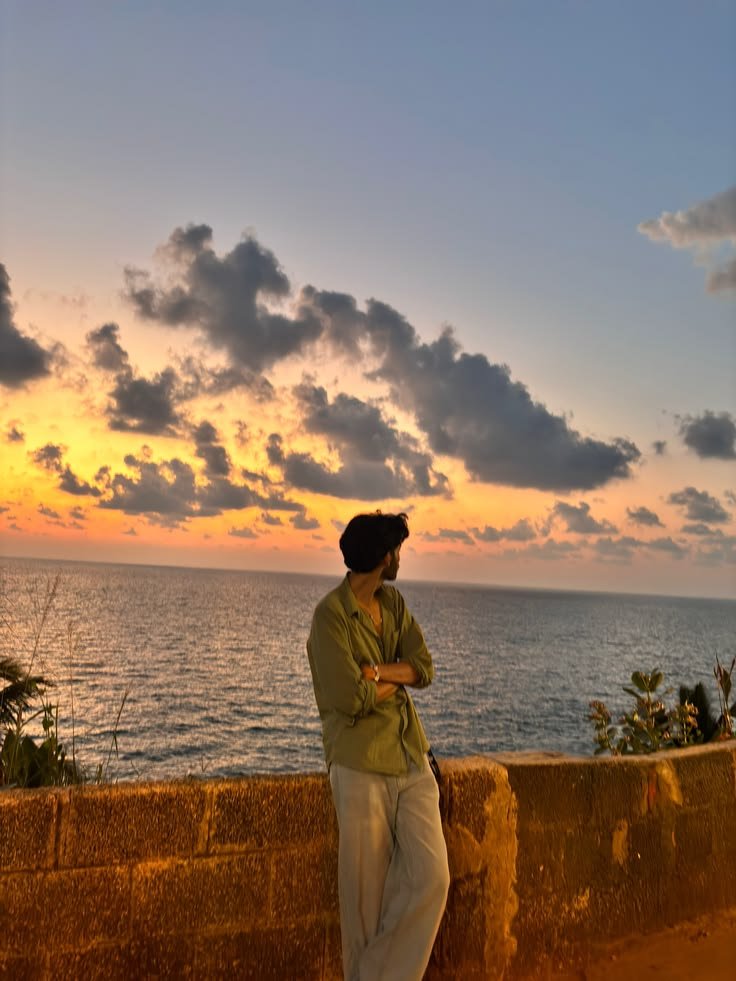
"The spiti valley road trip with Awara Banjara was very good. It was my first ever solo trip but it did not feel like one as everyone in the group was very welcoming and hospitable..."

Delhi — Shimla — Sangla — Chitkul — Tabo — Kaza — Langza — Komic — Hikkim — Key — Chicham — Kalpa — Shimla — Delhi
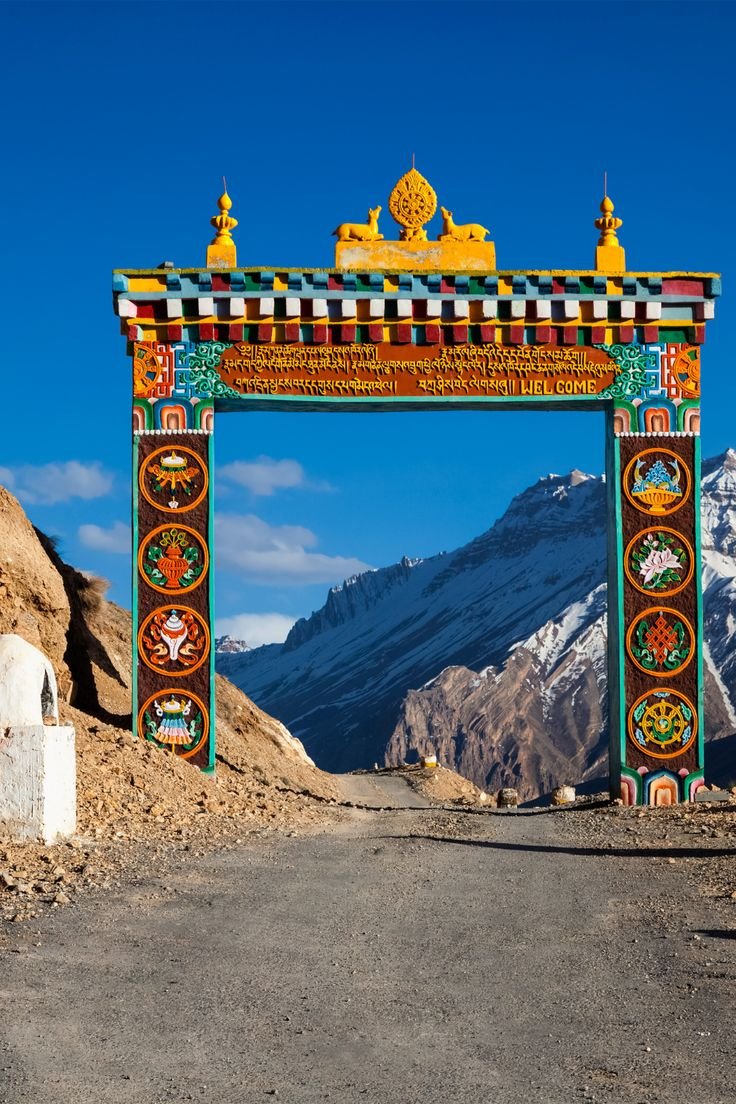
Our Spiti group trip is a 9-day, 8-night road journey from Delhi into Spiti Valley by the Shimla–Kinnaur route, the road into Spiti that stays open through winter. You travel with a group of fellow explorers and a dedicated Awara Banjara trip captain: an overnight Volvo from Delhi to Shimla, then a dedicated Tempo Traveller through Sangla, Chitkul, Nako, Tabo, Kaza and Kalpa, and back to Delhi.
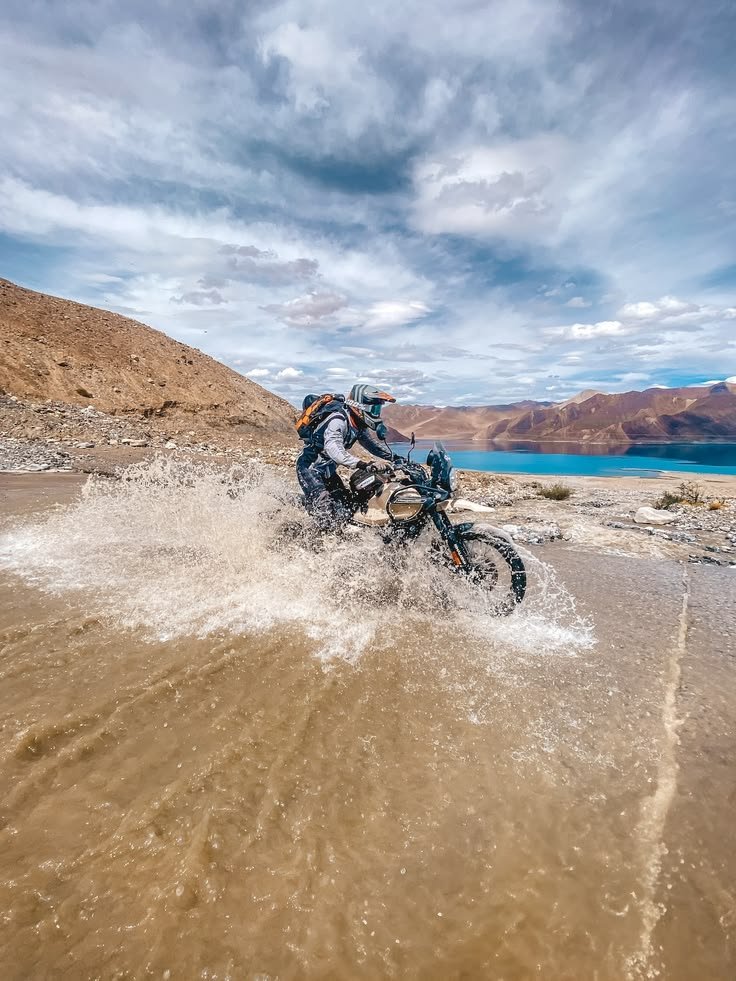
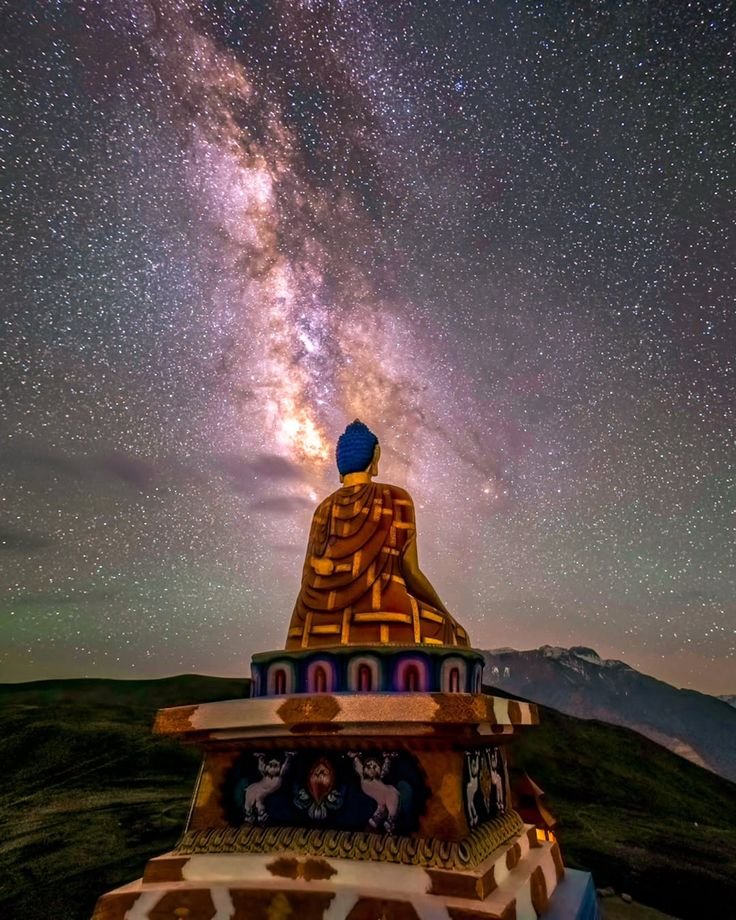
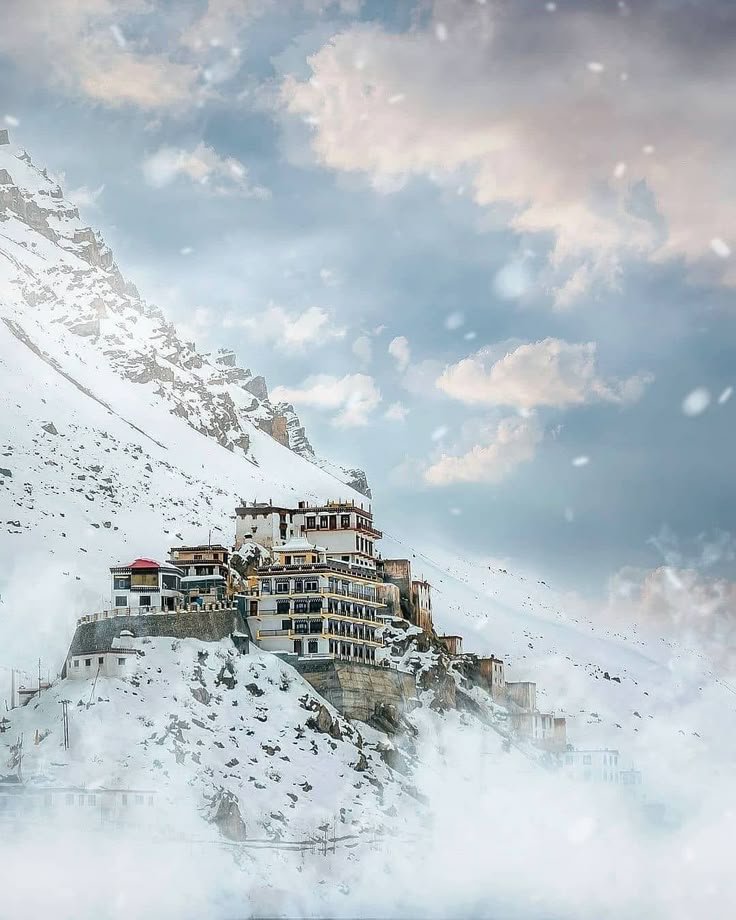
Spiti Valley, the "Middle Land" between Tibet and India, turns into a frozen cold desert in winter. Snow-covered mountains, thousand-year-old monasteries, frozen waterfalls and star-filled night skies replace the summer crowds. Winter is when the valley is at its quietest and most dramatic.
First-time Spiti travellers in good health, solo travellers who want a group, friends and couples, and photographers. No trekking experience is needed; the key is to follow the winter layering guidelines and acclimatise well.
Nights in winter Spiti drop well below -15°C to -20°C. Carry heavy thermal layers, waterproof snow boots, a windproof down jacket, a woollen beanie, gloves, polarized sunglasses and high-SPF sunscreen. The full list is under What to Pack below.
Want deeper snow and a 4x4? Our Spiti Winter 4x4 Expedition follows the same Kinnaur route in January.
New to Spiti in winter? Our winter Spiti guide covers the route, the weather month by month and what to pack.
Ready for winter in the Himalayas? Pick a departure date below and reserve your seat on the Awara Banjara Spiti group trip.
Tick things off as they go in your bag. We'll remember your list on this device.
0 of 10 packed
0 of 3 packed
0 of 7 packed
0 of 4 packed
0 of 6 packed
0 of 4 packed
0 of 3 packed
All packed. The mountains are waiting!
We run this trip from November through winter on the Shimla–Kinnaur route. November brings clear skies and the first snow, and from mid-December to mid-March the valley is fully snow-covered with frozen waterfalls.
It starts and ends in Delhi. You board an overnight Volvo / AC semi-sleeper from Delhi to Shimla on the evening of Day 1 and arrive back in Delhi early on the morning of Day 9.
₹17,499 per person on quad sharing and ₹18,499 on triple sharing, plus 5% GST. This covers Delhi–Shimla–Delhi transit, a dedicated Tempo Traveller, 6 nights' stay, 12 meals, permits and a trip captain.
Yes. The Shimla–Kinnaur route that this trip follows stays open through winter. The Manali side over Kunzum Pass closes for the season, which is why winter Spiti trips go via Kinnaur.
Yes, solo travellers are welcome. Rooms are on a sharing basis with fellow travellers from the group.
Daytime temperatures range between -5°C and 5°C, while nighttime temperatures drop significantly between -15°C and -25°C.
Yes, beginners in good health can join, provided they strictly follow winter layering guidelines and allow time for proper altitude acclimatization.
Stay well hydrated, avoid alcohol or smoking, ascend gradually, and keep our expedition leader informed immediately if you feel dizzy or nauseous. Backup oxygen cylinders and basic medical kits are carried with the group.
Due to sub-zero temperatures, pipelines freeze throughout Spiti. Traditional dry toilets (compost pits) and warm water in buckets are provided at homestays, and power cuts can occur during heavy snowfall.
Pack 3-4 warm thermal base layers, fleece jackets, a windproof and waterproof down feather jacket (-20°C rated), waterproof snow shoes with good grip, woolen socks, gloves, a balaclava, UV-protection sunglasses, and high-SPF sunscreen.
Room heaters are not included in the standard package due to remote power constraints; where available, properties may charge an additional fee directly based on electricity or generator use.
Postpaid Jio and BSNL networks offer the most consistent connectivity in Sangla, Kalpa, and Kaza. Airtel works intermittently, and most prepaid connections from outside Himachal lose signal beyond Reckong Peo.
Winter Himalayan routes can face delays from snowstorms or roadblocks. The itinerary includes buffer planning, and our experienced captains and mountain drivers coordinate safe route adjustments or alternate halts as required.
Yes, wholesome, freshly cooked vegetarian meals are served across all designated stays, and basic Jain food preferences can be accommodated if informed prior to departure.
"The spiti valley road trip with Awara Banjara was very good. It was my first ever solo trip but it did not feel like one as everyone in the group was very welcoming and hospitable..."
"Bir was peaceful and the homestay felt like home-cooked comfort food after long days of paragliding and valley walks. Fantastic trip leads!"