
Winter Spiti Trip
The white desert · November to March
Winter trips from ₹17,499
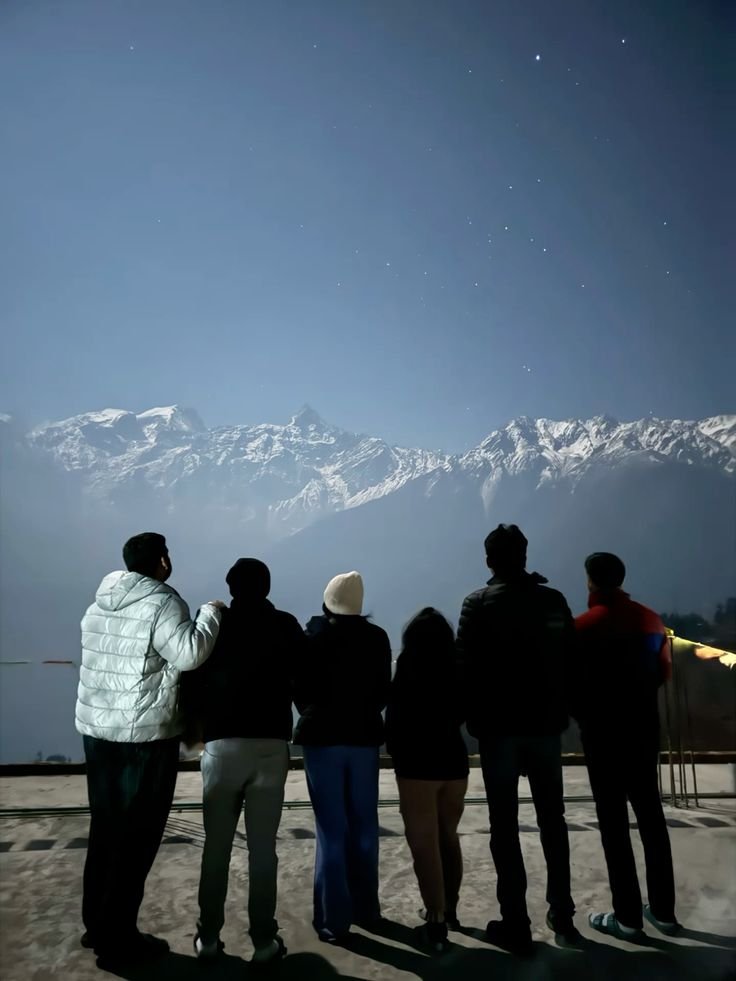
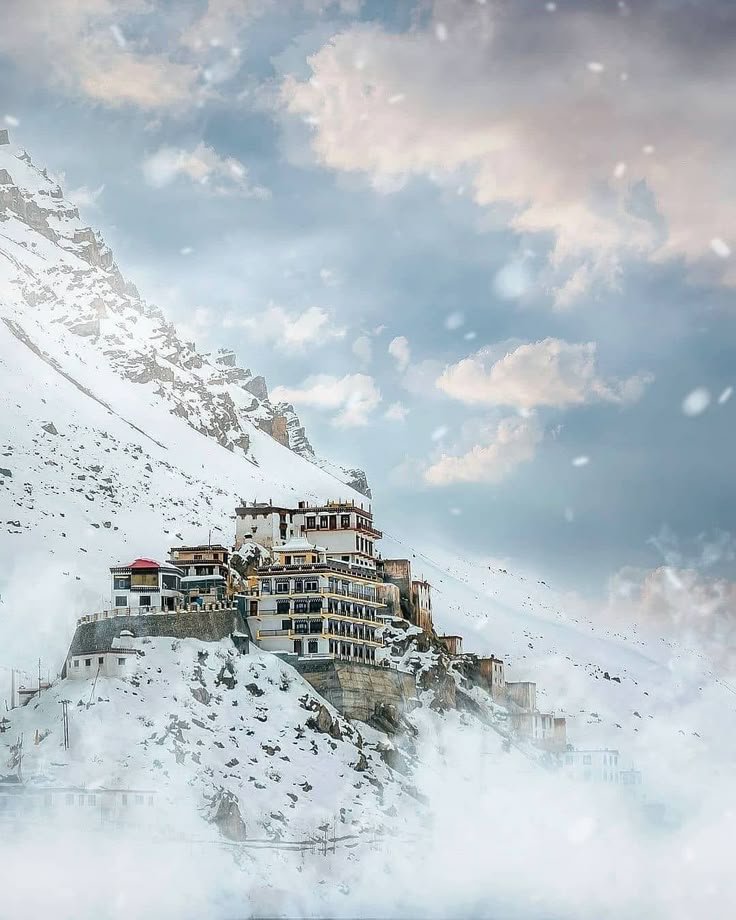
In winter, Spiti Valley turns into a frozen cold desert: snow on the mud-walled villages, frozen waterfalls, thousand-year-old monasteries and almost no other travellers. The Manali side closes for the season, so every winter Spiti trip goes the long way, from Shimla through Kinnaur.
- ❄️ Open all winter via Kinnaur
- 🚐 Group departures from Delhi
- 🏔️ Kaza, Key, Hikkim, Langza
New to winter Spiti? Start with the Spiti Group Trip
Our most affordable winter trip and the easiest way to see Spiti in snow: from Delhi and back, with a trip captain all the way.
Spiti in winter, month by month
Pick your month for the kind of winter you want.
-
November
First snow, clear skies
The tourist season is over and the first snow dusts the high villages, but the roads are usually clear. Cold nights, bright days. The easiest winter month for a first trip.
-
December
Snow settles in
The valley turns white, streams start to freeze and nights drop well below -15°C. Monasteries and villages are at their quietest.
-
January – February
Deep winter
The heaviest snow, frozen waterfalls and the coldest nights. Snow leopard season around Kibber, though sightings are never guaranteed. Expect the odd road delay after fresh snowfall.
-
March
The thaw begins
Snow is still on the ground, but the days are warmer and longer. A good month if you want snow without the deepest cold.
How to reach Spiti in winter
From Delhi, take an overnight bus to Shimla, then drive along the Sutlej through Kinnaur: Sangla and Chitkul, Nako, Tabo and on to Kaza. This road stays open through winter, though fresh snow can slow it down for a day.
The Manali route over Kunzum Pass closes with the first heavy snow, usually by November, and stays shut until late spring. Chandratal Lake can't be reached in winter.
How cold does Spiti get?
- Days: about -5°C to 5°C, with strong sun.
- Nights: -15°C to -25°C in December to February.
- Water: pipes freeze, so homestays use dry toilets and heat water in buckets.
- Network: postpaid Jio and BSNL work best. Carry cash, as ATMs rarely work in winter.
- Pack: thermal layers, a -20°C down jacket, waterproof snow boots, gloves, a balaclava and UV sunglasses.
All winter Spiti trips
Group departures from Delhi, from our most affordable trip to the full 4x4 expedition.
Winter Spiti FAQs
Is Spiti open in winter?
Yes. The Shimla–Kinnaur road into Spiti stays open all winter. The Manali side over Kunzum Pass closes for the season, so winter trips go via Shimla, Kinnaur, Nako and Tabo to Kaza.
What is the best month for a winter Spiti trip?
November is easiest for a first trip: first snow and mostly clear roads. December to February is full winter, with the most snow and the coldest nights. March brings warmer days with snow still on the ground.
How many days do I need for winter Spiti?
Plan on 8 to 9 days from Delhi. The Kinnaur route is longer than the Manali one, and the extra days help you acclimatise before Kaza.
Is winter Spiti safe for first-timers?
Yes, if you are in good health, follow the layering guidelines and acclimatise slowly. Our group trips go with an experienced winter mountain driver, a trip captain, a first-aid kit and backup oxygen.
Can I travel to Spiti solo in winter?
Yes. Joining a group departure is the easiest way: you share transport, stays and a trip captain with fellow travellers, and rooms are on a sharing basis.
Which places can I visit in Spiti in winter?
Chitkul, Nako Lake, the Gue mummy, Tabo and Dhankar monasteries, Kaza, Key Monastery, Chicham Bridge, Kibber, and the high villages of Hikkim, Komic and Langza. Chandratal and Kunzum Pass are closed in winter.
Book your winter Spiti trip
Ready for the white desert?
Tell us your month and group size. We'll call you back within 24 hours with dates and a price.
- 4.9★ Google reviews
- 5,000+ travellers
- 24/7 support